Jenny Montigny

COR00462 De Begonia's Jenny Montigny MSK Gent_© Martin Corlazzoli
Jenny Montigny (1875-1937) pintó con el poder de la luz. Su obra es sorprendente y estrafalaria. Hoy, podrás admirarla en Amberes, Gante, Bruselas y el pueblo de artistas de Deurle.

Genio estrafalario de Gante

Jenny Montigny nació en el seno de la burguesía de Gante. Su padre era abogado y profesor; su madre procedía de una familia del textil. Jenny decidió tomar un camino diferente. Una visita al museo empujó su vida en otra dirección. Cuando se encontró cara a cara con el cuadro de Emile ClausLos martines pescadores, decidió dedicar su vida al arte. 

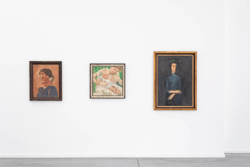
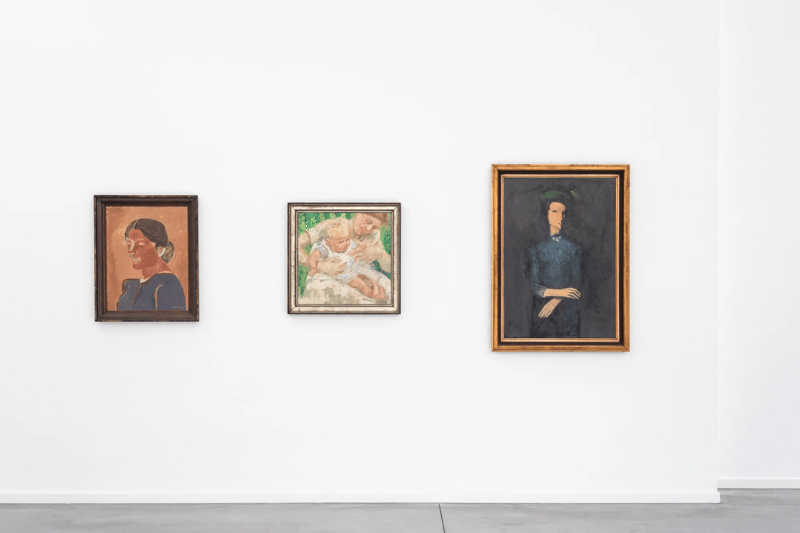
Zaalzicht  met o. a. Jenny Montigny, Moeder en kind, 1920-1926. Collectie Museum Dhont-Dhaenens. Foto Rik Vannevel
Vista de sala con, entre otras obras, Madre e hijo de Jenny Montigny, 1920–1926. Colección del Museo Dhont-Dhaenens.

Una vida artística en Deurle

En el verano de 1895, empezó a forjar su futuro. Tomó clases de pintura en la escuela al aire libre de Emile Claus, en Villa Zonneschijn, en la pequeña localidad de Astene. A principios del siglo XX, se trasladó al pueblo de artistas de Deurle, donde mandó construir una casa con estudio. Así, Montigny se convirtió en pintora, pastelista, dibujante y grabadora de primera. También se unió a Vie et Lumière, una asociación de pintores que ponían la luz en el foco: los luministas.    

En ese contexto, Montigny desarrolló un estilo completamente propio. Pintó la vida rural a orillas del río Lys, interiores íntimos, la maternidad y la infancia. Durante la Primera Guerra Mundial, permaneció en Londres. Allí exploró otros temas. Mostró la vida de la alta sociedad en exuberantes parques y retrató a soldados belgas heridos. Tras la guerra, regresó a Deurle. La culminación de su carrera llegó en 1922: una primera exposición retrospectiva en su Gante natal. 

Jenny Montigny [1875-1937], De speelplaats, Koninklijke Musea voor Schone Kunsten van België, Brussel, foto Guy Cussac, Brussel_© KMSKB foto Guy Cussac Brussel

Jenny Montigny en Flandes

Descubrirás la rica obra de Jenny Montigny en toda Flandes.  

  • El Museo Dhondt-Dhaenens en el pueblo de artistas de Deurle posee dos de sus obras: La escuela y Madre e hijo. Estos dos cuadros aparecen de vez en cuando en exposiciones temporales. En el cementerio de Santa Aldegunda, en la calle Dorpsstraat, podrás visitar la tumba de Jenny Montigny. En la avenida Philippe de Dentergemlaan se encuentra el colegio Sint-Jozefsschool, la fuente de inspiración para sus escenas escolares. 

Siempre al alcance... 

Las obras de los maestros flamencos gozan de fama mundial. Algunas son trasladadas a otros países a veces, para ser expuestas en renombrados museos extranjeros durante un tiempo. O viajan a través de Flandes. Pero aun así, siempre quedan muchas obras maestras por descubrir en Flandes: en nuestros museos, ciudades y lugares patrimoniales. Aquí vivieron y trabajaron los maestros flamencos, aquí dieron con la inspiración para sus obras maestras. 

Síguenos en @The Flemish Masters

✨ Here’s another highlight of the cultural autumn in Flanders — and a once-in-a-lifetime opportunity.

Last weekend, Jenny Montigny opened at mskgent, inviting visitors into the poetic world of one of the most remarkable Flemish Impressionists of her generation.

Through paintings, pastels, drawings and prints, discover Montigny’s remarkable eye for light, colour and everyday life — from the rural landscapes along the River Lys to intimate scenes of motherhood and domestic life.

Bringing together works ...
Flemish painters travelled to Italy in search of the Renaissance. But they weren’t the only ones crossing the Alps. 

Flemish sculptors made the journey too — and their influence on Italian Renaissance art is the fascinating story behind ‘Scultori Fiamminghi. Flemish Sculptors’ in Italy, which opened last weekend at m.leuven.

Just as Italian ideas, styles and techniques travelled north and transformed Flemish painting, Flemish artists brought their own expertise and visual language to Italy. Their work ...
Last weekend, our first exhibition highlight of the season opened its doors. 🎨
bozarbrussels presents 'Jean Brusselmans. Painter by Nature’, the first major retrospective of his work since 1980.

Brusselmans developed a distinctive visual language, independent of artistic trends yet deeply rooted in painterly tradition. His intimate connection to the Brabant landscape around Brussels, and his modest way of life, found expression in paintings poised between abstraction and figuration.

Bringing together s...
This painting changed someone’s life forever.

You are looking at The Skaters by Emile Claus.

At the age of sixteen, Jenny Montigny reportedly stood in front of this painting at the Museum of Fine Arts Ghent. The encounter left such a lasting impression that it set her on the path to becoming an artist.

Now, more than a century after her major retrospective in Ghent in 1922, Montigny returns to mskgent.

From 10 October 2026, a major retrospective will bring together her intimate and luminous paintings...
A change of season 🍂

Summer is officially over, and autumn is here — bringing golden light, warm colours and that unmistakable feeling of change.

A feast for the eyes? Look no further than Autumn by Rik Wouters. Painted in 1913, this vibrant scene captures the season in all its colour and warmth.

Consider it an invitation to enjoy an autumn city break in Flanders. So grab your scarf, pack your suitcase and come discover an art-filled autumn. 🍁

Stay tuned for more Flemish art, exhibitions and inspirat...
After 14 years of painstaking work, the restoration of one of the most iconic masterpieces of late medieval art is nearing completion.

The Adoration of the Mystic Lamb — better known as the Ghent Altarpiece — is slowly revealing its full splendour, bringing us closer than ever to the extraordinary vision of Hubert and Jan van Eyck.

Now entering its final months, the restoration campaign offers a rare glimpse behind the scenes. Visitors can still see the experts of kikirpa.be at work in their studio at ...
🎒 Back to school — and into a luminous cultural autumn! ✨

What better painting to mark both moments than ‘The Village School’ by Jenny 
Montigny (1875–1937), one of Belgium’s remarkable female artists?

From October, the mskgent will present a major retrospective of her work — more than a century after Montigny organised her first retrospective in Ghent in 1922.

The connection with the museum is especially fitting: at just sixteen, Montigny reportedly visited the museum and was captivated by Emile Clau...
Let’s stick around at Museum hofvanbusleyden a little longer. And let’s turn the spotlight on a female master for a change. Yes, women were masters too! Although they often had to fight for their place.

Meet Maria Faydherbe (1587–1643), a sculptor born and working in Mechelen. She was so confident in her own abilities that she openly competed with her male colleagues. She petitioned to join the Guild of Saint Luke, but she was refused. Instead, she was forced to work in her family’s workshop, without be...
During the Burgundian-Habsburg period, Mechelen played an important role in the education and upbringing of Habsburg princesses. Mary of Hungary spent part of her childhood here and was raised and educated alongside other members of the dynasty.

Their stories offer a fascinating glimpse into the role of women in sixteenth-century European politics, diplomacy and dynastic power. 

There is no better place to discover this legacy than at Museum hofvanbusleyden in Mechelen.

A newly acquired portrait of a ...
A hidden Ensor painting has finally come to light. 👀🎨

A previously unknown painting by James Ensor has been acquired by the city of Ostend and is now on display at the Ensor House.

The recently rediscovered painting portrays Ensor's mother at the age of 65. In true Ensor fashion, it is anything but flattering. Displayed beneath the portrait of a young woman and titled Débris – French for "wreck" or "remains" – the work offers a bold reflection on vanity, beauty and the passing of time.

Even more remar...