Jenny Montigny

COR00462 De Begonia's Jenny Montigny MSK Gent_© Martin Corlazzoli
Jenny Montigny (1875–1937) malt mit der Kraft des Lichts. Innerhalb des Luminismus ist ihr Oeuvre überraschend und eigenwillig. Du kannst es heute in Antwerpen, Gent, Brüssel und im Künstlerdorf Deurle bewundern.

Eigenwilliges Genie aus Gent

Jenny Montigny wird in die Genter Bourgeoisie hineingeboren. Ihr Vater ist Rechtsanwalt und Professor, ihre Mutter entstammt einer Textilfamilie. Jenny beschließt, einen anderen Weg einzuschlagen. Ein Museumsbesuch lenkt ihr Leben in eine andere Richtung. Beim Anblick des Gemäldes Die Eisvögel von Emile Claus beschließt sie, ihr Leben der Kunst zu widmen. 

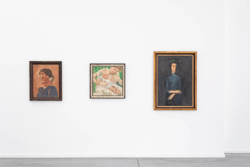
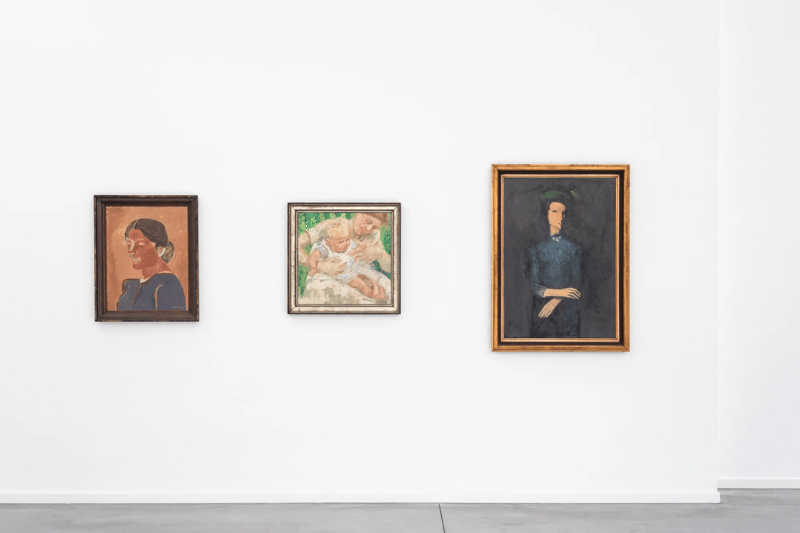
Zaalzicht  met o. a. Jenny Montigny, Moeder en kind, 1920-1926. Collectie Museum Dhont-Dhaenens. Foto Rik Vannevel
Saalansicht mit u. a. Mutter und Kind von Jenny Montigny, 1920–1926. Sammlung Museum Dhont-Dhaenens.

Ein künstlerisches Leben in Deurle

Im Sommer 1895 beginnt sie ihren eingeschlagenen Weg. Sie nimmt Malunterricht unter freiem Himmel bei Emile Claus in der Villa Zonneschijn im kleinen Ort Astene. Zu Beginn des 20. Jahrhunderts zieht sie in das Künstlerdorf Deurle, wo sie ein Haus mit Atelier bauen lässt. So entwickelt sich Montigny zu einer hervorragenden Malerin, Pastellmalerin, Zeichnerin und Radiererin. Außerdem schließt sie sich Vie et Lumière an, einer Vereinigung von Malern, die das Licht in den Mittelpunkt stellen: die Luministen.    

In diesem Rahmen entwickelt Montigny einen ganz eigenen Stil. Sie malt das Landleben an der Leie, intime Interieurs, Mutterschaft und Kindheit. Während des Ersten Weltkriegs wohnt sie in London. Dort erkundet sie andere Themen. Sie zeigt das gesellschaftliche Leben in üppigen Parks und porträtiert verwundete belgische Soldaten. Nach dem Krieg kehrt sie nach Deurle zurück. Die Krönung ihrer Karriere folgt 1922: eine erste Retrospektive in ihrer Heimatstadt Gent. 

Jenny Montigny [1875-1937], De speelplaats, Koninklijke Musea voor Schone Kunsten van België, Brussel, foto Guy Cussac, Brussel_© KMSKB foto Guy Cussac Brussel

Jenny Montigny in Flandern

Das umfangreiche Werk von Jenny Montigny kann man in ganz Flandern entdecken.  

  • Das Museum Dhondt-Dhaenens im Künstlerdorf Deurle besitzt zwei ihrer Werke: Die Schule und Mutter und Kind. Diese tauchen gelegentlich in Wechselausstellungen auf. Auf dem Friedhof St. Aldegondis in der Dorpsstraat kannst du das Grab von Jenny Montigny besuchen. In der Philippe de Dentergemlaan liegt die St.-Josefsschule, die sie zu ihren Schulszenen inspiriert hat. 

Nie weit weg ... 

Flämische Meisterwerke genießen Weltruhm. Manche Meisterwerke reisen vorübergehend über die Grenzen, um in renommierten ausländischen Museen ausgestellt zu werden. Oder sie reisen durch Flandern. Wie auch immer, es gibt in Flandern immer eine Fülle von Meisterwerken zu entdecken: in unseren Museen, Städten und Kulturstätten. Hier lebten und arbeiteten die flämischen Meisterinnen und Meister, hier fanden sie die Inspiration für ihre Werke. 

Folge uns auf @The Flemish Masters

✨ Here’s another highlight of the cultural autumn in Flanders — and a once-in-a-lifetime opportunity.

Last weekend, Jenny Montigny opened at mskgent, inviting visitors into the poetic world of one of the most remarkable Flemish Impressionists of her generation.

Through paintings, pastels, drawings and prints, discover Montigny’s remarkable eye for light, colour and everyday life — from the rural landscapes along the River Lys to intimate scenes of motherhood and domestic life.

Bringing together works ...
Flemish painters travelled to Italy in search of the Renaissance. But they weren’t the only ones crossing the Alps. 

Flemish sculptors made the journey too — and their influence on Italian Renaissance art is the fascinating story behind ‘Scultori Fiamminghi. Flemish Sculptors’ in Italy, which opened last weekend at m.leuven.

Just as Italian ideas, styles and techniques travelled north and transformed Flemish painting, Flemish artists brought their own expertise and visual language to Italy. Their work ...
Last weekend, our first exhibition highlight of the season opened its doors. 🎨
bozarbrussels presents 'Jean Brusselmans. Painter by Nature’, the first major retrospective of his work since 1980.

Brusselmans developed a distinctive visual language, independent of artistic trends yet deeply rooted in painterly tradition. His intimate connection to the Brabant landscape around Brussels, and his modest way of life, found expression in paintings poised between abstraction and figuration.

Bringing together s...
This painting changed someone’s life forever.

You are looking at The Skaters by Emile Claus.

At the age of sixteen, Jenny Montigny reportedly stood in front of this painting at the Museum of Fine Arts Ghent. The encounter left such a lasting impression that it set her on the path to becoming an artist.

Now, more than a century after her major retrospective in Ghent in 1922, Montigny returns to mskgent.

From 10 October 2026, a major retrospective will bring together her intimate and luminous paintings...
A change of season 🍂

Summer is officially over, and autumn is here — bringing golden light, warm colours and that unmistakable feeling of change.

A feast for the eyes? Look no further than Autumn by Rik Wouters. Painted in 1913, this vibrant scene captures the season in all its colour and warmth.

Consider it an invitation to enjoy an autumn city break in Flanders. So grab your scarf, pack your suitcase and come discover an art-filled autumn. 🍁

Stay tuned for more Flemish art, exhibitions and inspirat...
After 14 years of painstaking work, the restoration of one of the most iconic masterpieces of late medieval art is nearing completion.

The Adoration of the Mystic Lamb — better known as the Ghent Altarpiece — is slowly revealing its full splendour, bringing us closer than ever to the extraordinary vision of Hubert and Jan van Eyck.

Now entering its final months, the restoration campaign offers a rare glimpse behind the scenes. Visitors can still see the experts of kikirpa.be at work in their studio at ...
🎒 Back to school — and into a luminous cultural autumn! ✨

What better painting to mark both moments than ‘The Village School’ by Jenny 
Montigny (1875–1937), one of Belgium’s remarkable female artists?

From October, the mskgent will present a major retrospective of her work — more than a century after Montigny organised her first retrospective in Ghent in 1922.

The connection with the museum is especially fitting: at just sixteen, Montigny reportedly visited the museum and was captivated by Emile Clau...
Let’s stick around at Museum hofvanbusleyden a little longer. And let’s turn the spotlight on a female master for a change. Yes, women were masters too! Although they often had to fight for their place.

Meet Maria Faydherbe (1587–1643), a sculptor born and working in Mechelen. She was so confident in her own abilities that she openly competed with her male colleagues. She petitioned to join the Guild of Saint Luke, but she was refused. Instead, she was forced to work in her family’s workshop, without be...
During the Burgundian-Habsburg period, Mechelen played an important role in the education and upbringing of Habsburg princesses. Mary of Hungary spent part of her childhood here and was raised and educated alongside other members of the dynasty.

Their stories offer a fascinating glimpse into the role of women in sixteenth-century European politics, diplomacy and dynastic power. 

There is no better place to discover this legacy than at Museum hofvanbusleyden in Mechelen.

A newly acquired portrait of a ...
Let’s stick around at Museum hofvanbusleyden a little longer. And let’s turn the spotlight on a female master for a change. Yes, women were masters too! Although they often had to fight for their place.

Meet Maria Faydherbe (1587–1643), a sculptor born and working in Mechelen. She was so confident in her own abilities that she openly competed with her male colleagues. She petitioned to join the Guild of Saint Luke, but she was refused. Instead, she was forced to work in her family’s workshop, without be...